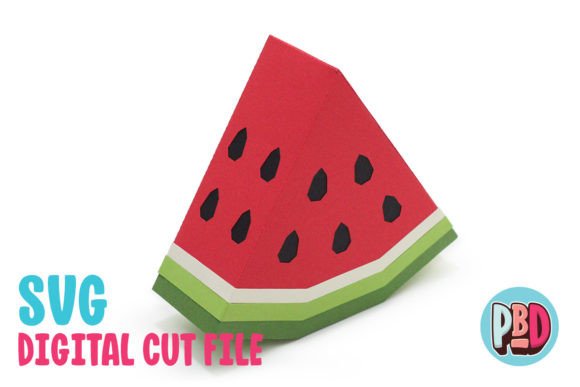
Watermelon 3D Papercraft: A Brand Designer’s Review
As a brand designer and content marketer, I spend most of my day dissecting why certain visuals stop the scroll while others fade into the background. We often obsess over typography, color theory, and layout grids, but sometimes the most effective marketing tools are physical assets translated into digital workflows or used as tactile anchors in a digital-first strategy. That is exactly where Watermelon 3D Papercraft enters the conversation. This isn't just a cute clipart; it is a strategic design asset that can elevate seasonal campaigns, enhance brand identity, and create memorable visual experiences for audiences who crave authenticity and playfulness.
The First Impression: Mood and Emotional Tone
When I first pulled up the files for this Shapes category asset, my immediate reaction was about the energy it brings to a page. In a content landscape saturated with polished, sterile corporate imagery, Watermelon 3D Papercraft offers a breath of fresh air. It evokes nostalgia, summer joy, and a sense of handmade craftsmanship. For brand owners and creative entrepreneurs, this emotional tone is invaluable.
This design creates an instant connection with audiences looking for lifestyle content, wellness products, or seasonal promotions. It feels suitable for casual branding, lifestyle content, event promotions, and editorial graphics. The mood is light, approachable, and vibrant. If your brand voice is friendly, organic, or community-focused, this asset aligns perfectly with those values. It signals to the viewer that your brand understands the importance of fun and seasonal relevance without sacrificing professional quality.
Real-World Application: From Campaign Concept to Execution
Let’s frame this review around a real marketing scenario. Imagine you are launching a new line of organic summer skincare or promoting a limited-edition refreshment bundle for a small café. You need to refresh your social media visuals, build a content kit, and create engaging Pinterest graphics that drive traffic to your shop. This is where Watermelon 3D Papercraft becomes more than just decoration; it becomes a central pillar of your visual hierarchy.
Because this is a 3D SVG design, it offers versatility that flat illustrations cannot match. You can use it as a hero graphic for your email banners, integrate it into Canva templates for your team, or even print it out as a tangible element for packaging inserts. The ability to scale this vector file means it maintains crisp edges whether it is displayed on a large website header or shrunk down for a mobile ad. This scalability ensures that your brand identity remains consistent across all touchpoints, from digital ads to physical merchandise.
Supporting Marketing Goals Through Visual Consistency
In content marketing, consistency builds trust. When every post, pin, and banner shares a cohesive visual language, audiences begin to recognize your brand instantly. Using a distinct asset like Watermelon 3D Papercraft helps achieve several key marketing goals:
- Stronger First Impression: The dimensional aspect of the papercraft design grabs attention faster than standard 2D icons.
- Clearer Visual Hierarchy: It serves as a natural focal point, guiding the eye toward your main message or call-to-action.
- Better Product Presentation: Pairing this asset with product photos creates a lifestyle context that helps customers visualize using your items.
- Improved Audience Trust: High-quality, well-executed design elements signal professionalism and care, which enhances audience trust.
- More Memorable Campaign Visuals: Unique shapes break the pattern of generic stock photography, making your campaign stand out in crowded feeds.
This asset supports small business branding by allowing you to compete visually with larger brands. It adds a layer of creativity and personality that resonates with modern consumers who value uniqueness and artisanal aesthetics.
Where This Design Asset Works Best
Not every design element fits every space. To maximize the impact of Watermelon 3D Papercraft, consider these optimal use cases:
- Hero Graphics and Campaign Headers: Use the full size to anchor landing pages or Facebook cover images.
- Social Media Covers and Posts: It works beautifully as a standalone element or layered behind text for Instagram posts.
- Packaging Accents: If you have access to a cutter, creating physical versions for gift tags or box toppers adds a premium unboxing experience.
- Editorial Layouts: Use it to break up text-heavy blog posts or newsletters, adding visual relief and interest.
- Printable Promotions: As a printable design, it can be used for flyers, posters, or event invitations, leveraging its summertime appeal.
For digital sellers and online coaches, this can also serve as part of a design bundle or lead magnet, offering value to your subscribers through free, high-quality resources.
Strategic Limitations and Careful Placement
Even the best assets have limitations. As a designer, I advise caution when applying Watermelon 3D Papercraft in certain contexts. It should be used carefully in formal corporate branding where a serious, authoritative tone is required. The playful nature of the watermelon theme may undermine credibility in financial or legal sectors.
Additionally, avoid placing this asset in dense information layouts or on low-contrast backgrounds where it might get lost. Because it has depth and detail, it can become cluttered if not given enough white space. Be mindful of small mobile graphics; at very small sizes, the intricate folds of the papercraft may lose definition. In such cases, consider simplifying the view or using it as a background texture rather than a primary icon. Also, ensure it does not compete with your main message—if the text is hard to read because the asset is too dominant, you have failed in your communication goal.
Practical Notes for Implementation
To get the most out of this graphic design asset, follow these practical steps before integrating it into your final campaigns:
- Test with Your Palette: Ensure the reds, greens, and blacks of the watermelon complement your existing brand colors. Adjust saturation if needed to maintain harmony.
- Check Black and White Usage: Verify how the asset looks in monochrome. Good design assets should hold their shape even without color.
- Preview on Mobile: Always check how the asset renders on smaller screens to ensure readability and impact.
- Pair with Typography: Experiment with different font styles. This asset pairs well with bold sans-serif fonts for modern looks, script fonts for a handwritten feel, or display fonts for headlines. Avoid pairing it with overly delicate serif fonts unless intentional contrast is desired.
- Review Spacing and Balance: Give the asset room to breathe. Proper spacing enhances the perception of luxury and professionalism.
- Confirm Licensing: Before using this in paid campaigns, client work, or commercial branding, double-check the commercial license. Ensuring you have the right permissions protects your business from legal issues.
In conclusion, Watermelon 3D Papercraft is a versatile and powerful tool for any creative entrepreneur or marketer looking to inject personality and seasonal relevance into their brand. By understanding its strengths, respecting its limitations, and integrating it thoughtfully into your visual hierarchy, you can create marketing materials that not only look great but also drive engagement and build lasting connections with your audience. Whether you are refreshing your web design, creating social media graphics, or designing packaging design elements, this asset provides a solid foundation for professional branding that feels both modern and heartfelt.