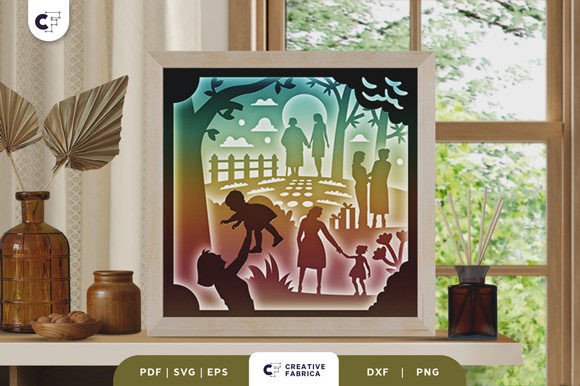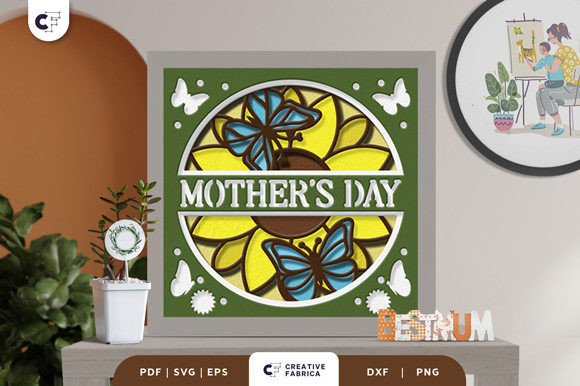
Mama and Baby Butterfly 3D Shadow Box Review
When I sit down to evaluate a new machine embroidery design, my first instinct is always practical: does this actually work on the hoop, or is it just pretty in a digital preview? As someone who has stitched thousands of files for clients, Etsy shops, and personal gifts, I’ve learned that visual appeal means nothing if the stitch density causes puckering or the detail gets lost in the fabric. Today, I’m looking at the Mama and Baby Butterfly 3D Shadow Box, a file marketed under the Holidays category as a 3D SVG. At first glance, the concept of a layered shadow box with nature motifs sounds like a strong contender for boutique home decor, but does it hold up when the needle starts moving?
First Impressions and Visual Personality
The moment you open the file, the layout strikes me as thoughtful. The "Mama and Baby" theme immediately evokes warmth, making it an obvious candidate for nursery decor or sentimental gifting. However, the "Shadow Box" aspect suggests depth, which usually implies multiple layers or applique techniques rather than simple flat stitching. In my experience, designs labeled as 3D often require precise placement and high-quality thread to achieve that dimensional look without looking cluttered.
The mood here is soft and organic. Butterflies are timeless symbols of transformation and love, which fits perfectly into the Holidays niche, particularly around Mother’s Day or birthdays. But from a designer’s perspective, I’m looking at the negative space. Does the design breathe? Is there enough room for the stabilizer to support the stitches without distorting the final product? The initial assessment is positive; the composition feels balanced, suggesting that once stitched, it will have a professional, gallery-like finish rather than looking like a standard patch.
Real-World Application: From Hoop to Handmade Product
Let’s talk about where this embroidery file would shine in a real business scenario. I recently helped a client prepare a line of custom baby items, and I kept this design in mind. Imagine a soft cotton muslin blanket or a heavyweight sweatshirt for a new mother. The butterfly motif is gentle enough for a baby shower gift but sophisticated enough for adult apparel.
I envision this working exceptionally well as a tote bag design for a craft fair. A sturdy canvas tote featuring the Mama and Baby Butterfly Shadow Box would catch the eye because of its perceived complexity. Customers associate detailed, layered embroidery with higher value. If you are an Etsy seller or running a small shop product line, this design offers a great balance of sentimentality and visual interest. It’s not just a logo; it’s a statement piece.
Furthermore, consider its use in custom apparel. Placing this on the chest of a hoodie or centered on the back of a t-shirt creates a focal point that draws people in. The "shadow box" effect, if executed correctly with proper layering, adds texture that plain satin stitches simply cannot match. This tactile quality is what drives customer trust and engagement. When buyers can see (and almost feel) the depth of the design through photos, they are more likely to convert.
Technical Considerations and Stitch Clarity
However, not every project is a good fit for this specific design. As an experienced reviewer, I must highlight where caution is needed. The term "3D" often implies dense stitching or multiple color changes. If you attempt to run this on thin fabric or stretchy knits without adequate support, you risk distortion. Always use a proper stabilizer—cut-away for wovens, tear-away for stable knits—to maintain the integrity of the shadow box layers.
I also advise testing this on dark fabrics carefully. While the contrast might be striking, ensure your thread colors provide enough visibility against the background. A light pastel butterfly on a navy blue shirt might lose its delicate details. Conversely, on white or cream fabrics, the design will pop beautifully. If you are creating a printable mockup for your online store, test the design in black and white first. This helps you assess the shape and flow of the elements without being distracted by color, ensuring the silhouette remains recognizable even in monochrome.
Another critical factor is hoop size. Because this is a shadow box style, it likely requires a larger hoop to accommodate the full layout. If you are embroidering on curved surfaces like caps or hats, you may need to split the design or adjust the placement significantly. Trying to force a large, detailed shadow box onto a small cap front often results in cramped stitching and lost detail. For such items, I would recommend using this design as an embroidered patch that is then sewn onto the hat, giving you control over placement and ensuring the intricate details remain crisp.
Designer Notes for Commercial Success
If you plan to sell finished products made with this digital embroidery file, there are a few non-negotiable steps. First, always test on scrap fabric. This allows you to check the stitch density and see how the threads interact. Do the fill stitches lay flat? Do the satin stitches bridge gaps properly? Adjusting tension before committing to your final product saves time and material.
Secondly, inspect the small details closely. In a butterfly design, the wing veins and antennae are tiny. On a smaller scale, these details can become muddy blobs if the resolution isn’t sharp or if the thread is too thick. If you notice fuzziness, consider simplifying the inner details or switching to a finer thread weight.
Finally, confirm licensing. Just because you bought the file doesn’t automatically grant you commercial rights for unlimited sales. Check the terms provided by the creator. Are you allowed to sell the physical items? Can you sell the digital file itself? Clear licensing protects your craft business from legal issues and builds professionalism in your brand.
Final Verdict
The Mama and Baby Butterfly 3D Shadow Box is a versatile and emotionally resonant design that offers significant potential for commercial embroidery projects. Its strength lies in its ability to elevate simple items like aprons, kitchen towels, and pillow covers into premium gifts. It works best when paired with high-quality fabrics and careful stabilization techniques.
While it demands respect regarding hoop size and fabric choice, the payoff is a finished product that looks handmade, heartfelt, and professionally crafted. For designers looking to expand their design assets into the holiday and nursery niches, this is a solid addition to your library. Just remember: the magic is in the execution. Test thoroughly, choose your materials wisely, and let the design do the talking.