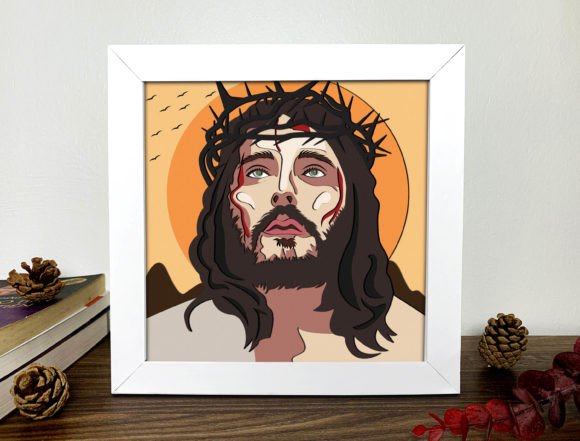
Jesus Shadow Box 3D Svg, Jesus 3D Svg
When I sit down to evaluate a new graphic design asset for my online shop, I am looking for more than just a pretty image. I need to know if it has commercial viability, how versatile it is across different product types, and whether it fits the aesthetic of my current brand identity. Recently, I came across the Jesus Shadow Box 3D Svg, Jesus 3D Svg, a file categorized under Religious designs that promises a layered, dimensional look. As someone who sells digital downloads and physical merchandise on platforms like Etsy and Creative Fabrica, I wanted to put this asset through its paces before adding it to my collection.
First Impressions and Niche Appeal
The moment I opened the file, the visual personality stood out. Unlike flat vector illustrations that can sometimes feel generic in the crowded faith-based niche, this 3D SVG offers depth. It creates a sense of movement and dimensionality that mimics traditional shadow box art but translates beautifully into digital cutting files. The mood is elegant yet accessible, striking a balance between reverent and modern decorative.
This kind of design appeals strongly to crafters who want to create high-quality home decor without needing advanced woodworking skills. It also resonates with buyers looking for meaningful gifts—birthdays, baptisms, or housewarmings. The aesthetic leans toward a clean, premium handmade look, which allows it to fit well in both rustic farmhouse settings and modern minimalist nurseries. For sellers, this versatility means you are not limited to one specific customer demographic; you can target anyone interested in spiritual decor, religious education materials, or faith-inspired crafts.
Real-World Product Applications
In my workflow, testing an asset involves imagining it on actual products. Here is how I see the Jesus Shadow Box 3D Svg, Jesus 3D Svg performing across various categories:
- SVG Products & Cricut Projects: This is the primary use case. The layered nature of the design makes it perfect for cardstock cutting. Sellers can offer kits where users layer different colored papers to achieve the 3D effect. It works exceptionally well for greeting cards, journal covers, and wall hangings.
- Printable Wall Art: By converting the layers into a high-resolution PNG design, you can sell printable posters. Customers can print these at home or at a local shop and frame them. The "shadow" effect adds visual interest that standard flat prints lack.
- Mug Designs & Sublimation: While sublimation usually relies on full-color imagery, this design can be adapted. You might create a version where the layers are blended digitally to simulate depth on ceramic mugs or tumblers. It adds a unique touch compared to standard typography-based mug designs.
- Sticker Design & Planner Stickers: If converted into a sticker sheet, the 3D elements can be simplified. A die-cut sticker version would look stunning on planners or water bottles, offering a tactile element to digital planning.
- T-Shirt Design & Merchandise: For apparel, the design needs simplification. A single-layer outline version or a color-blocked interpretation could work well on tote bags, baby onesies, or church event t-shirts.
- Canva Template: Create a customizable invitation template where users can change the background colors of the layers. This adds value by allowing personalization while maintaining the structural integrity of the shadow box concept.
Enhancing Product Presentation and Mockups
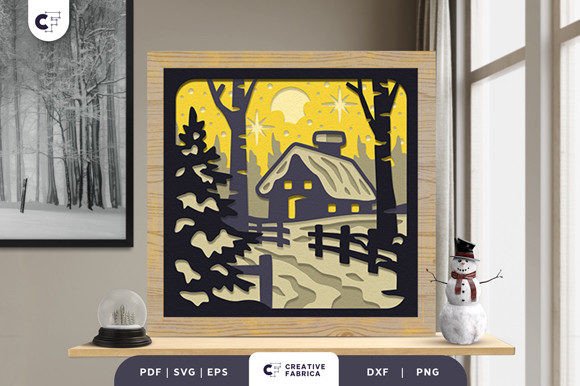
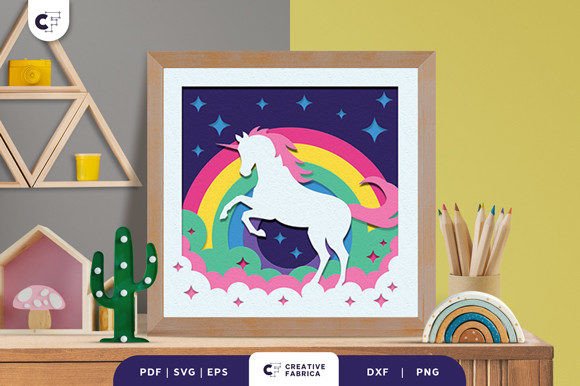
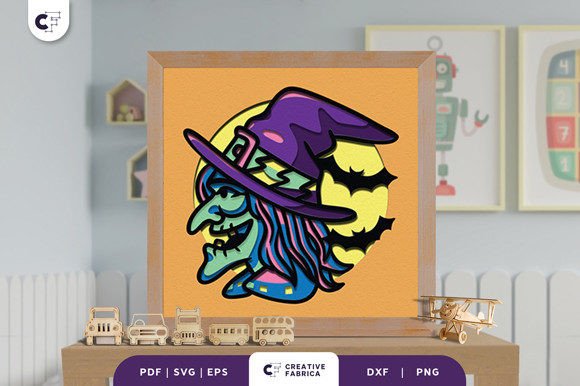
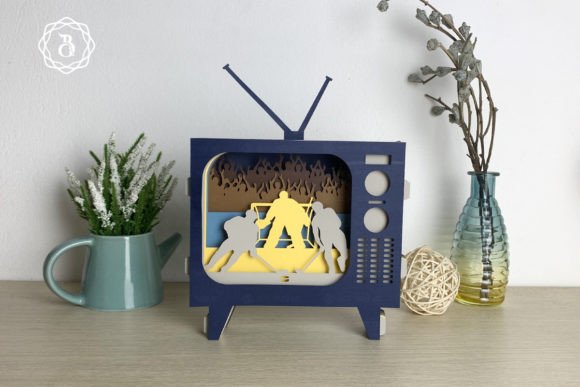
One of the biggest challenges in selling digital assets is conveying quality through a screen. A strong product mockup is essential. The Jesus Shadow Box 3D Svg, Jesus 3D Svg lends itself perfectly to realistic mockups. Imagine showing the final layered product on a wooden desk next to a Bible or coffee cup, or displayed in a nursery setting.
These visuals help build customer trust and perceived value. When a buyer sees how the layers interact in a real-world context, they are more likely to purchase. Use this asset in your listing images to demonstrate the "before and after"—showing the flat cut lines versus the assembled 3D result. This educational approach not only showcases the design but also teaches the customer how to use it, reducing support queries and increasing satisfaction.
For social media graphics and blog posts, use the design as a central visual element. Its bold shapes and clear lines ensure it remains legible even when scaled down for thumbnails. Consistency in using this style across your brand identity helps establish you as a specialist in religious or faith-based creative assets.
Strategic Placement and Visual Hierarchy
When integrating this asset into larger compositions, such as design bundles or seasonal collections, pay attention to visual hierarchy. The 3D effect draws the eye immediately, so it should be the focal point. Avoid cluttering the surrounding space with too many competing elements. Let the negative space breathe, especially if you are pairing it with text. Use serif fonts for a classic, timeless feel, or script fonts for a softer, more inviting tone. Ensure the contrast is high enough so the design pops against the background.
Areas Requiring Caution
No asset is perfect for every application. There are specific scenarios where the Jesus Shadow Box 3D Svg, Jesus 3D Svg might face challenges:
- Tiny Sticker Details: If the individual layers are very small, cutting them on a Cricut or Silhouette machine can be difficult for beginners. Thin lines may tear or become lost during weeding. Always test the minimum viable line width.
- Low-Resolution Print Products: Ensure you have the correct file formats. Using a low-res PNG for large format printing will result in pixelation. Stick to vector SVGs for cutting and high-DPI PNGs for printing.
- Crowded Thumbnails: On marketplaces, thumbnails are small. Complex 3D designs can lose detail when shrunk down. Simplify the preview image or zoom in on the central figure to ensure clarity.
- Dark Backgrounds: If the design relies on light paper colors for its shadow effect, it may disappear on dark backgrounds. Test your mockups on various color schemes to ensure visibility.
Practical Seller Notes and Workflow Tips
Before publishing any listing, follow these steps to ensure professionalism:
- Test on Real Mockups: Don't just rely on digital previews. Cut the design yourself using cardstock to see how the layers align. This hands-on experience will give you accurate descriptions and better troubleshooting tips for customers.
- Check File Quality: Verify that all paths in the SVG are closed and overlapping correctly. Inspect the PNG transparency to ensure no white borders appear around the edges.
- Organize Files Clearly: Bundle the SVG, PNG, and any instruction PDFs together. Label files clearly (e.g., "Layer_1", "Layer_2") so customers can easily assemble the project.
- Confirm Commercial Licensing: Always review the terms of sale. Ensure you have the right to sell finished physical products made from this design. Some licenses restrict the number of items you can sell or require attribution.
- Pair with Complementary Fonts: Experiment with different font styles to create complete quote cards or invitations. A handwritten font can add a personal touch, while a display font can make the design stand out on packaging.
Ultimately, the Jesus Shadow Box 3D Svg, Jesus 3D Svg is a valuable addition to a seller's toolkit, particularly for those focusing on the religious or inspirational niche. Its ability to transform simple paper cuts into dimensional art offers a unique selling proposition that stands out in a sea of flat designs. By testing it thoroughly and presenting it professionally, you can create a compelling product line that resonates with customers seeking meaningful, handmade-style creations.