Colorado, 3D Layered Tropical: A Designer’s Review for Shadow Boxes and 3D SVG Projects
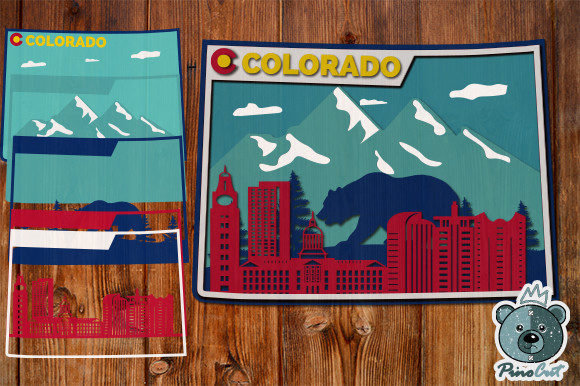
I have spent the last decade working with branding agencies, indie e-commerce brands, and print-on-demand entrepreneurs. When a new design asset lands in my inbox, I don’t just look at it; I stress-test it. Does it hold up under scrutiny? Can it survive the transition from a digital screen to a physical product? Recently, I evaluated Colorado, 3D Layered Tropical, a vector-based design intended for layered applications like shadow boxes and CNC plywood projects. Here is my professional breakdown of whether this asset belongs in your commercial workflow.
The First Impression: Visual Mood and Style
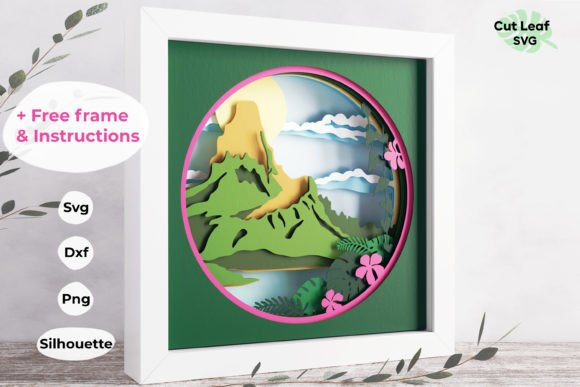
When I first opened the file, the immediate takeaway was its strong graphic identity. The design leans heavily into a modern, tropical aesthetic that feels both playful and structured. Unlike flat illustrations that can feel generic, this asset utilizes depth cues inherent in its layered structure. It suggests movement and texture without relying on complex gradients or photorealistic rendering.
For a designer, this is crucial. In a market saturated with stock imagery, a clean, geometric approach to tropical themes stands out. It bridges the gap between modern design and handmade business aesthetics. It does not scream "corporate," nor does it feel too casual. Instead, it sits comfortably in the sweet spot of lifestyle branding—perfect for boutique hotels, summer campaigns, or artisanal product lines. The visual hierarchy is established through layering rather than color alone, which means the design remains effective even if you strip away the vibrancy for a monochrome brand application.
Real-World Application: From Screen to Physical Product
The core value proposition of Colorado, 3D Layered Tropical lies in its versatility as a graphic design asset. While the description highlights its suitability for CNC and laser cutting, its utility extends far beyond woodworking. As a 3D SVG format, it offers a dual-purpose functionality that many designers find invaluable.
Packaging and Product Labels
I recently consulted for a small business launching a line of organic skincare products. They needed packaging that felt premium but approachable. We tested this asset as a die-cut label. Because the design is vector-based, we could scale it to fit various container sizes without losing edge definition. The layered nature allowed us to create a subtle embossed effect using different paper stocks, elevating the perceived value of the product. This is where a design bundle mentality pays off; having the individual layers allows for custom adjustments to fit specific brand guidelines.
Social Media Graphics and Digital Ads
In the realm of social media graphics, visual stop-power is everything. When used in Instagram posts or Pinterest pins, the depth created by the layered elements draws the eye more effectively than flat vectors. I often recommend extracting specific layers to use as decorative accents around text overlays. For instance, isolating the tropical leaf elements can frame a promotional quote beautifully, adding a touch of editorial design flair to standard marketing visuals.
Cricut Projects and Sticker Design
For crafters and Etsy sellers, this asset is a goldmine. The clean vector paths make it ideal for vinyl cutting. Whether you are creating decals for laptops, water bottles, or car windows, the precision of the cut lines ensures a professional finish. It transforms a simple sticker design into a multi-dimensional piece of art. This is particularly effective for print-on-demand businesses looking to offer unique merchandise that stands out in a crowded marketplace.
Strategic Placement: Where It Shines
To get the most out of Colorado, 3D Layered Tropical, placement is key. It performs best in large layout areas where the details can be appreciated. Hero graphics on a website landing page benefit significantly from the intricate layering. Similarly, in packaging design, using it as a central focal point on a box or bag creates an instant connection with customers who appreciate handcrafted aesthetics.
It also serves well as a supporting brand element in web design. You might use a simplified version of the layers as background textures or pattern repeats. However, avoid using it in contexts where space is extremely limited. The strength of the design is in its complexity; shrinking it down too much can result in a muddy visual experience.
Cautionary Notes: Where to Use Carefully
No asset is universal. There are scenarios where Colorado, 3D Layered Tropical may detract from your project rather than enhance it.
- Minimalist Branding: If your client’s brand identity relies on stark minimalism, this asset might introduce too much visual noise. It has a bold presence that can clash with ultra-clean, corporate aesthetics.
- Crowded Layouts: Avoid placing this over busy backgrounds or within dense typographic blocks. It requires breathing room to let the layers define the composition.
- Small Sizes: As mentioned, fine details can get lost at very small scales. Always preview the asset at the actual size it will be rendered before finalizing the design.
- Low-Contrast Designs: The effectiveness of the 3D effect relies on contrast. On low-contrast backgrounds, the layered separation may disappear, flattening the design unintentionally.
Technical Considerations for Professional Use
Before integrating this into a client project, there are several technical checks every designer should perform.
- File Format Inspection: Ensure you have access to the editable vector files (SVG or AI). Rasterized versions limit your ability to adjust colors or resize without quality loss. Check if the PNG transparency is included for quick web usage.
- Black and White Test: Convert the asset to black and white. Does it still read clearly? This tests the structural integrity of the design independent of color appeal.
- Font Pairing: Experiment with typography. This asset pairs well with serif font styles for a classic, elegant look, or sans serif font types for a modern, clean vibe. Avoid overly decorative script font or handwritten font styles that might compete with the organic shapes of the tropical elements. Display fonts can work if used sparingly as headlines.
- Mockup Testing: Place the design on real-world mockups. See how it looks on a tote bag, a mug, or a website header. This helps visualize the final impact on the audience.
- Licensing Verification: Most importantly, confirm the commercial license. Even if the asset is affordable, using it for a client project without proper rights can lead to legal issues. Ensure you are permitted to modify the design and use it for end-products sold to third parties.
Final Verdict
Colorado, 3D Layered Tropical is a robust, versatile creative design asset that delivers significant value for both digital and physical applications. Its strength lies in its adaptability—it works equally well as a sublimation design for apparel, a structural component for shadow boxes, or a decorative accent in marketing visuals.
For designers seeking to add depth and character to their projects without compromising on professionalism, this asset is a worthy addition to your library. Just remember to respect its visual weight, test it thoroughly, and ensure your licensing is in order. When used correctly, it elevates a simple concept into a polished, memorable brand experience.