Bee Numbers 3D SVG Review
When I sit down to evaluate a new digital asset for my embroidery studio, I am rarely looking for just another pretty picture. I am looking for viability. I need to know if a design will hold up on a sweatshirt, if it will read clearly on a small tote bag, and whether it has the commercial weight to justify an Etsy listing price. Recently, I pulled Bee Numbers 3D SVG into my workflow to see how it translates from a flat vector file into a tangible handmade product. As someone who reviews graphics and crafts assets daily, my goal is to strip away the marketing fluff and give you the practical reality of using this design in real-world scenarios.
First Impressions and Visual Personality
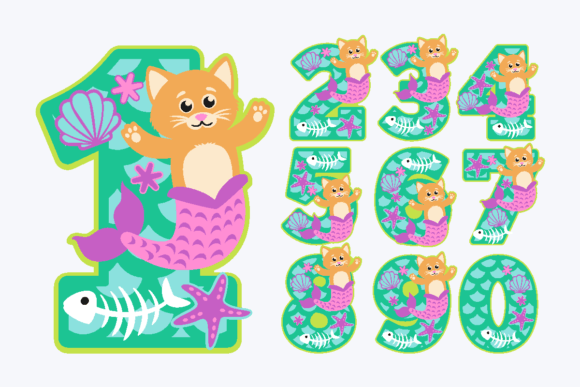
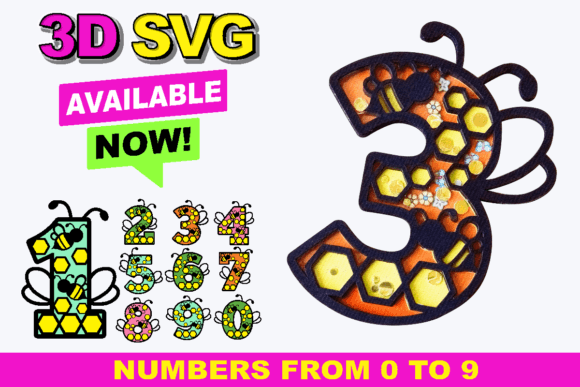
The moment you open the zipped folder containing numbers 0-9, the intent of the design is clear. This is not a minimalist, thin-line aesthetic. The "3D" aspect implies depth, layering, and substance. For an embroidery designer, this suggests that the final stitch-out will have visual weight. It feels playful yet structured, making it an excellent candidate for projects that require immediate recognition without being overly childish.
From a layout perspective, the individual numbers are distinct. When reviewing any machine embroidery design, I always look at the negative space. Here, the spacing allows for breathing room, which is crucial when converting these vectors into actual stitches. If the elements were too crowded, we would risk thread breaks or a muddy appearance after washing. Instead, Bee Numbers 3D SVG offers a balanced composition that feels ready for both nursery decor and boutique branding. It strikes a mood that is cheerful but professional enough for adult-oriented custom apparel, such as a teacher’s gift or a personalized office accessory.
Real-World Application: From Screen to Stitch
Let’s talk about where this design actually lives. I often imagine specific client requests before I even begin testing. For instance, consider a request for a set of matching baby onesies for a gender-neutral baby shower. The versatility of having numbers 0-9 means you can create birth dates, ages, or simply decorative accents. On soft cotton knits, the layered nature of the design should pop nicely, provided you use the correct stabilizer.
Another strong use case is custom apparel like hoodies or heavy cotton t-shirts. The "3D" implication works well here because thicker fabrics can support the density required to mimic that effect. Imagine a small business owner creating a line of back-to-school supplies. A tote bag design featuring a bold number (perhaps for a class year or age) paired with this bee theme creates a cohesive brand identity. It is recognizable, cute, and marketable.
I also see potential in embroidered patch applications. If you are selling patches on platforms like Etsy, this design provides enough detail to justify a higher price point than simple monograms. Customers are willing to pay more for designs that look complex and finished. However, remember that this is originally an SVG intended for cutting software like Silhouette Studio or Cricut Design Space. Before using it for commercial embroidery, you must ensure your digitizing process captures the intended layers accurately. The transition from cut-file to stitch file is where many designers lose quality, so paying attention to how the layers merge is critical.
Where Caution Is Required
No design is perfect for every surface. While Bee Numbers 3D SVG is robust, there are specific situations where it might struggle. I strongly advise against placing this design in very small hoop sizes unless you are simplifying the details. Tiny lettering or intricate inner curves can become indistinguishable after stitching, especially if the stitch density is high.
Fabric choice is equally important. Avoid using this on highly textured fabrics like bouclé or thick wools, as the base texture will compete with the design’s own layers. Similarly, stretchy fabrics like jersey can distort the geometric precision of the numbers if not hooped tightly with adequate tear-away or cut-away stabilizer. Dark fabrics present another challenge; if the design relies on light thread colors for its "3D" highlights, contrast may be lost. Always test thread color combinations against your fabric swatches.
Additionally, be mindful of curved surfaces like caps. While possible, the flat nature of the original SVG might not translate seamlessly to a curved brim without significant re-digitizing. If you attempt this, check the alignment carefully. Finally, avoid using this for items that undergo frequent, harsh industrial washing, such as work uniforms, unless you are confident in the durability of the chosen threads. For personalized gifts and home goods, however, it holds up beautifully.
Impact on Product Value and Brand Trust
Using a well-designed asset like this directly impacts customer trust. Buyers on Etsy and craft fairs are discerning. They can often tell the difference between a rushed, low-quality stitch-out and a polished finished product. A clean, well-executed version of Bee Numbers 3D SVG signals professionalism. It suggests that you care about the details, which increases the perceived value of your item.
For Etsy sellers and small shop products, this design offers flexibility. You can create variations by changing thread colors, adding borders, or combining different numbers. This variety keeps your shop fresh without requiring you to commission new designs constantly. It also enhances your printable mockup capabilities. Even if you are selling digital files, showing a realistic preview of how the design looks embroidered helps buyers visualize the end result, reducing returns and increasing conversion rates.
Practical Designer Notes for Success
To get the best results from this asset, follow these practical steps:
- Test on Scrap Fabric: Never run a full production batch without a trial run. Check how the thread colors interact with your specific fabric shade.
- Review Stitch Density: Ensure the digitized version does not have excessive density, which can cause puckering, or too little density, which leaves fabric visible.
- Confirm Hoop Size: Verify that the design fits comfortably within your machine’s standard hoops, leaving room for easy hooping and unhooping.
- Inspect Small Details: Zoom in on the digital file and the stitched sample. Are the corners sharp? Do the lines connect cleanly?
- Use Proper Stabilizer: The right stabilizer is invisible in the final product but essential during stitching. Match the stabilizer weight to the fabric weight.
- Check Licensing: Before selling digital embroidery files or physical merchandise, double-check the license terms included with the download. Some assets allow commercial use only for limited quantities.
- Compare Light and Dark Backgrounds: Test the design on both white and black fabric to ensure visibility and contrast are maintained across different product lines.
In conclusion, Bee Numbers 3D SVG is a versatile tool in the arsenal of any creative entrepreneur. It bridges the gap between cute aesthetics and professional execution. By understanding its strengths and limitations, you can integrate it into your embroidery project workflow with confidence, creating items that customers love and return for. Whether you are decorating a holiday gift or building a brand-new craft business, this design asset offers solid value when used with care and technical precision.