3D Rustic Kitchen Cutting Board Laser
As a designer who spends half my life staring at hoop frames and the other half worrying about stitch density, I don’t just buy embroidery files; I evaluate them for viability. When 3D Rustic Kitchen Cutiing Board Laser landed in my review queue, my first thought wasn’t about aesthetics alone—it was about execution. Would this design hold up on a busy kitchen towel? Would it look professional on a boutique tote bag? Or would the details get lost in the stitching process?
This is not a standard floral motif or a generic quote. It falls under the umbrella of Other Home Decor with a strong nod to Laser Cutting aesthetics, translated into a digital format. The visual personality here is distinct: chunky, grounded, and undeniably cozy. It screams "farmhouse chic" but with enough structural integrity to work as a serious piece of custom apparel or embroidered patch work.
The First Impression: Mood and Visual Weight
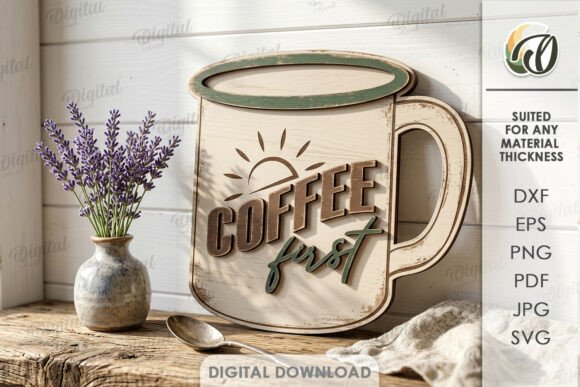
When you open the file, the immediate takeaway is the weight of the design. It doesn’t feel airy or delicate. Instead, it carries a robust, tactile energy. The shape mimics the organic imperfections of a hand-carved board, which creates an instant connection to the maker movement. For designers looking to add value to their Etsy listings or small shop product lines, this kind of recognizable iconography works wonders. Customers scroll past hundreds of designs; one that instantly communicates "home," "cooking," and "craftsmanship" has a higher chance of conversion.
The layout is balanced, leaving enough negative space to allow for proper stitching without feeling cluttered. However, the "laser-cut" inspiration means there are likely intricate internal cutouts or fine lines that require careful planning. This isn’t a design you can throw together in five minutes. It demands respect from the digitizer and the operator.
Real-World Application: Where This Design Shines
I’ve tested various motifs on different substrates, and 3D Rustic Kitchen Cutiing Board Laser finds its natural home in specific categories. Let’s break down where this embroidery project truly excels.
- Kitchen Textiles: This is the obvious winner. A tea towel, a flour sack towel, or even a heavy-duty apron provides the perfect canvas. The rustic theme aligns perfectly with linen or cotton blends often used in these products. The design acts as a focal point, elevating a simple $5 item into a $25 boutique gift.
- Custom Apparel and Sweatshirts: Imagine a crewneck sweatshirt in heather grey or oatmeal. Placing this design on the chest or back pocket adds a layer of narrative. It suggests the wearer values homemade meals and slow living. It’s less about fashion and more about lifestyle branding.
- Tote Bag Design: Canvas totes are staples for craft business owners. This design prints well digitally and stitches beautifully on sturdy cotton canvas. It’s practical, reusable, and highly giftable, making it a top contender for holiday sales.
- Personalized Gifts: Whether it’s a housewarming present or a wedding gift for a new couple, this design feels personal without being overly sentimental. It fits the "new home" aesthetic perfectly.
For those selling digital embroidery files, this asset is versatile. It can be scaled up for large pillows or scaled down for smaller accents, provided the detail remains legible.
Critical Considerations: Where to Exercise Caution
No design is flawless, and knowing where a design might fail is just as important as knowing where it succeeds. Here are the areas where 3D Rustic Kitchen Cutiing Board Laser requires your attention.
Hoop Size and Detail: If you attempt to stitch this in a very small hoop (under 4x4 inches), you risk losing the finer details that give the design its character. The "laser" aspect implies precision; if those lines become too thin relative to the fabric weave, they may disappear or cause puckering. Always check the hoop size requirements before committing to a small product like a baby onesie or a cap.
Fabric Texture and Stability: This design looks best on flat, stable surfaces. Avoid using it on highly textured fabrics like bouclé or thick terry cloth unless you are experienced with stabilizers. The contrast between the thread and the fabric texture could muddy the design. Similarly, stretchy knits require a strong tear-away or cut-away stabilizer to prevent distortion, especially if the design includes dense fill stitch areas.
Thread Color Contrast: Because the design has a rustic, earthy vibe, dark threads on dark fabric will kill the definition. You need contrast. Light beige thread on white linen? Perfect. Black thread on black denim? Risky. Test your thread colors against your chosen fabric. I always recommend printing a black-and-white mockup to see how the shapes read without color distraction.
Dense Stitch Areas: If the design uses heavy satin stitches or dense fills, it can create a stiff area on the finished product. On a soft kitchen towel, this might be acceptable, but on a garment that needs to drape well, it could feel uncomfortable. Review the stitch density in your software. If it feels too heavy, consider reducing the density slightly or switching some fill stitches to running stitches for a lighter touch.
Professional Designer Notes for Execution
Before you run this through your machine, follow these steps to ensure a high-quality finished product.
- Test on Scrap Fabric: Never go straight to your final customer item. Use a scrap of the exact fabric you plan to use. This reveals how the stabilizer interacts with the material and whether any thread breaks occur.
- Inspect Small Details: Zoom in on the digital preview. Are there tiny isolated dots or thin lines that might not transfer well? If so, you may need to adjust the digitization or accept that those details will be subtle.
- Check Licensing: Since this is a digital product, verify the license terms. Can you sell the finished items? Is there a limit on units? Most commercial licenses allow for unlimited sales of physical goods, but some restrict the number of digital resales. Protect your commercial embroidery business by reading the fine print.
- Use Proper Stabilizer: For woven fabrics like cotton or linen, a cut-away stabilizer is often best for durability, especially for items that will be washed frequently. For temporary projects, a tear-away might suffice, but cut-away ensures the design stays crisp over time.
- Mockup Before Making: Create a printable mockup to show customers what the final product will look like. This builds trust and helps set accurate expectations regarding scale and placement.
Final Verdict: Is It Worth Adding to Your Workflow?
3D Rustic Kitchen Cutiing Board Laser is a solid addition to any designer’s library, particularly if you cater to the home decor and handmade gift market. It captures a trending aesthetic without feeling trendy in a fleeting way. It feels timeless, much like the wooden boards themselves.
It performs best when paired with natural fibers and thoughtful presentation. It’s not a design for high-speed, high-volume production on cheap synthetics. It’s a design for makers who care about the tactile experience of their customers. If you are an Etsy seller or a small business owner looking to expand your range with items that evoke warmth and craftsmanship, this file delivers.
Just remember: the success of any embroidery file lies in the hands of the operator. Respect the details, choose your materials wisely, and test thoroughly. When done right, this design transforms from a simple graphic into a cherished part of someone’s home.